Everthorpe
Our History
From Bronze Age settlements to a thriving modern community, over 3,000 years of Everthorpe's story, woven into the land.
Bronze Age
Bronze Age
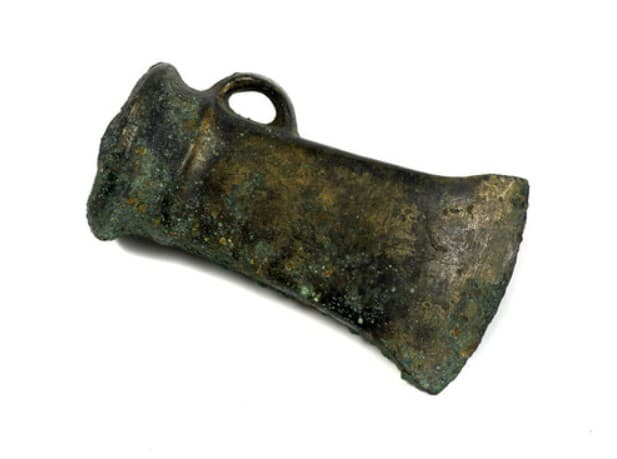
There has been a settlement here since at least the Bronze Age. In 1842, there was a discovery of 16 bronze age axes and 2 ingots. They were found in a gravel pit to the side of the railway bridge on High Road. These are unique in shape and are known as the Everthorpe axe and are collectively called the Everthorpe Hoard.
1086
The Domesday Book
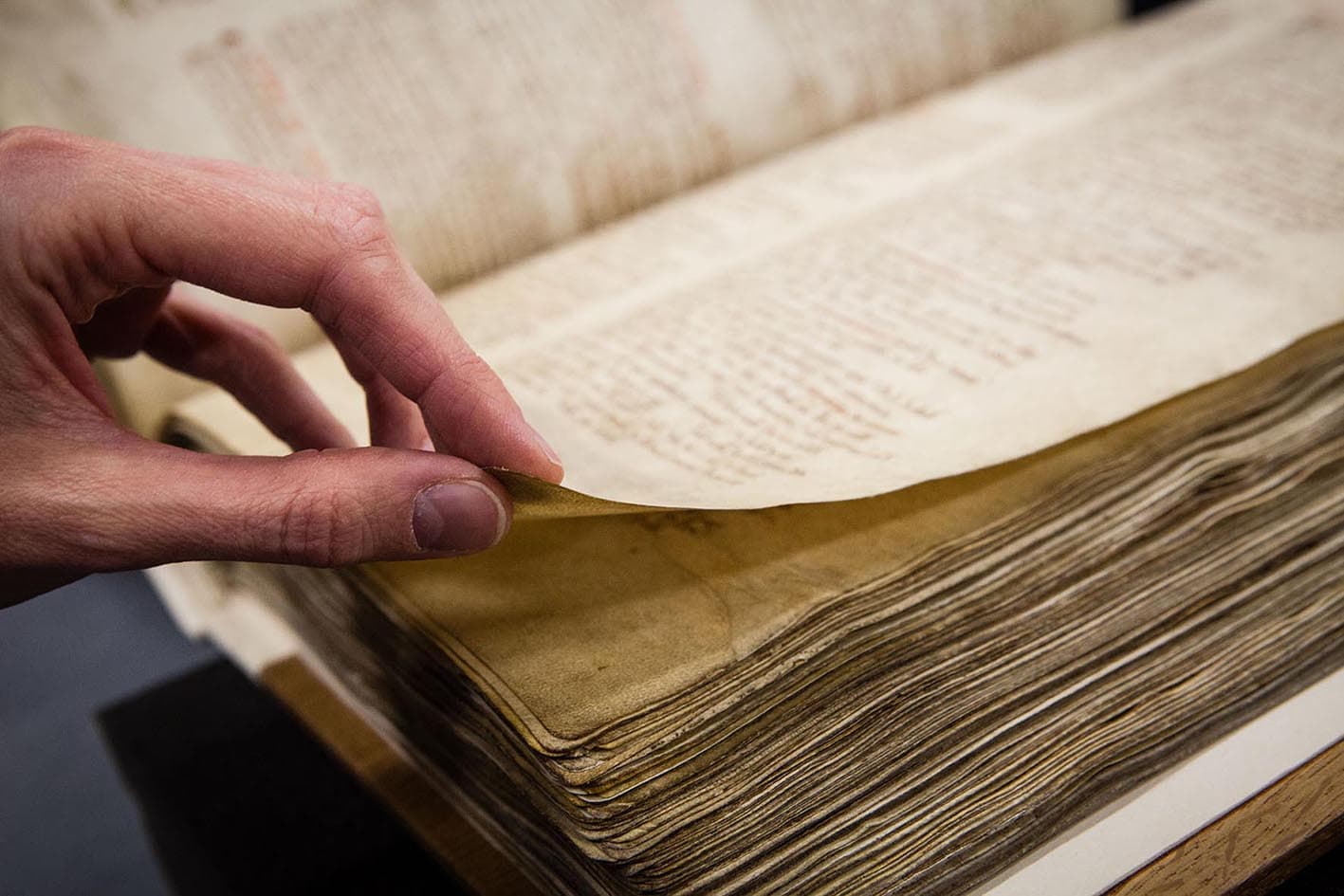
The first documentary evidence of Everthorpe is in the Domesday Book, being part of Count Robert Mortain’s (half-brother of William the Conqueror) lands, although it was tenanted to Nigel Fossard. Comprising 5 carucates: a carucate being an area of land ploughed in a day by eight oxen. The name at that time was Yertorp, later known as Ivertorp, meaning “elevation of a hamlet”. The Manor of Everthorpe passed to the Askes of Aughton, being sold by John Aske, brother of Robert Aske who led the Pilgrimage of Grace, in 1593.
1593
Everthorpe Manor
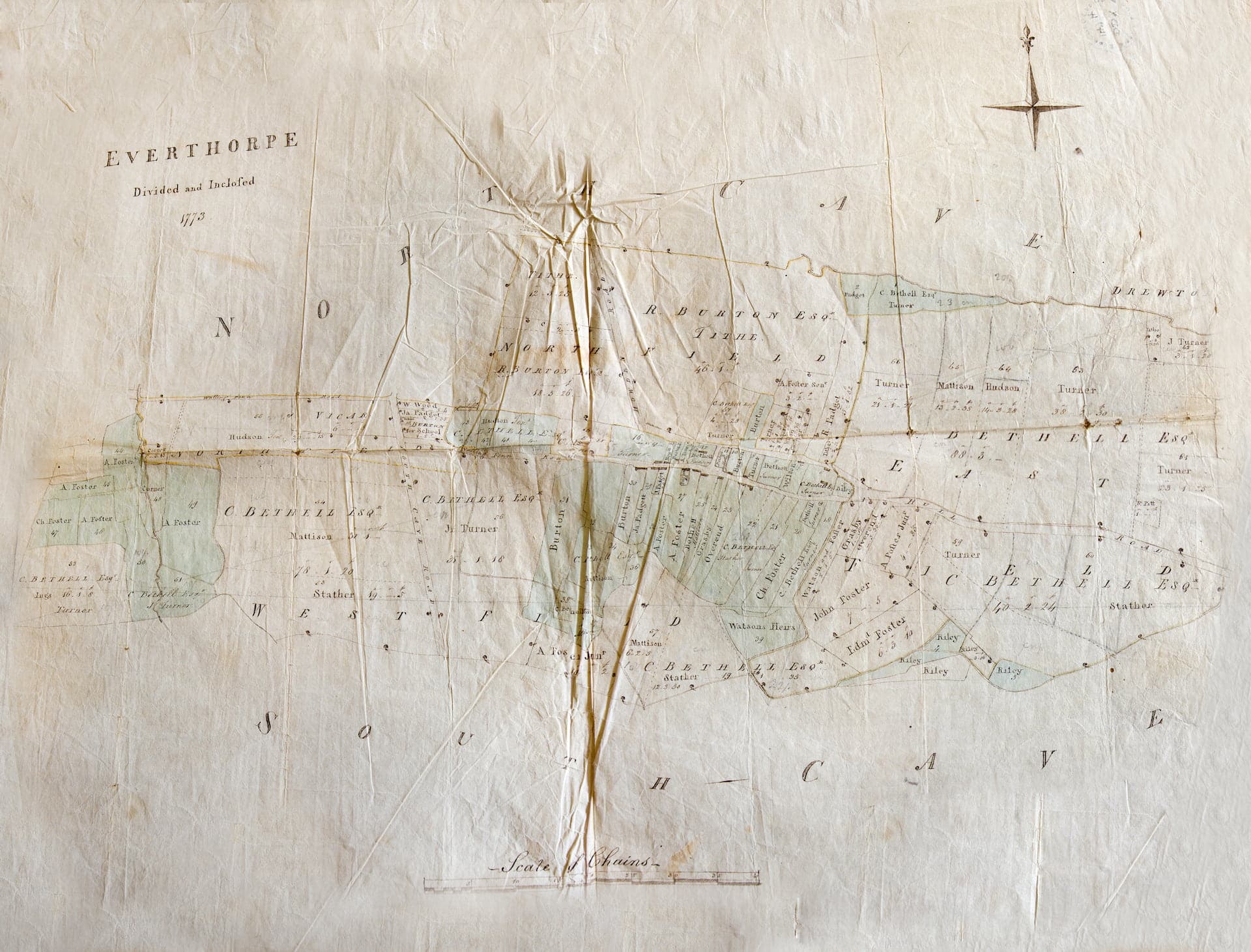
The estate was bought by Hugh Bethell of Rise and remained in his family until it was sold in 1802. The Howden Road (now High Road) was turnpiked in 1744 and, to the east of the village on High Road, are two milestones from that time. There are two historic stones here. One is a two-step mounting block, known as a horsing stone, which once had a cast-iron plate showing distances to North Cave (1.5 miles) and Hull (13 miles). The other, from an earlier design, is an engraved stone reading Howden - 11 miles. At a much later date an OS rivet mark has been carved into the top of the stone. In 1773 the village came under the Enclosure Act - the land was enclosed by wealthy landowners, removing access rights of commoners. The open-field system of two/three large common fields and several large hay meadows, and the ridge-and-furrow method of farming, ceased.
1802
Estate sold to Joseph Egginton
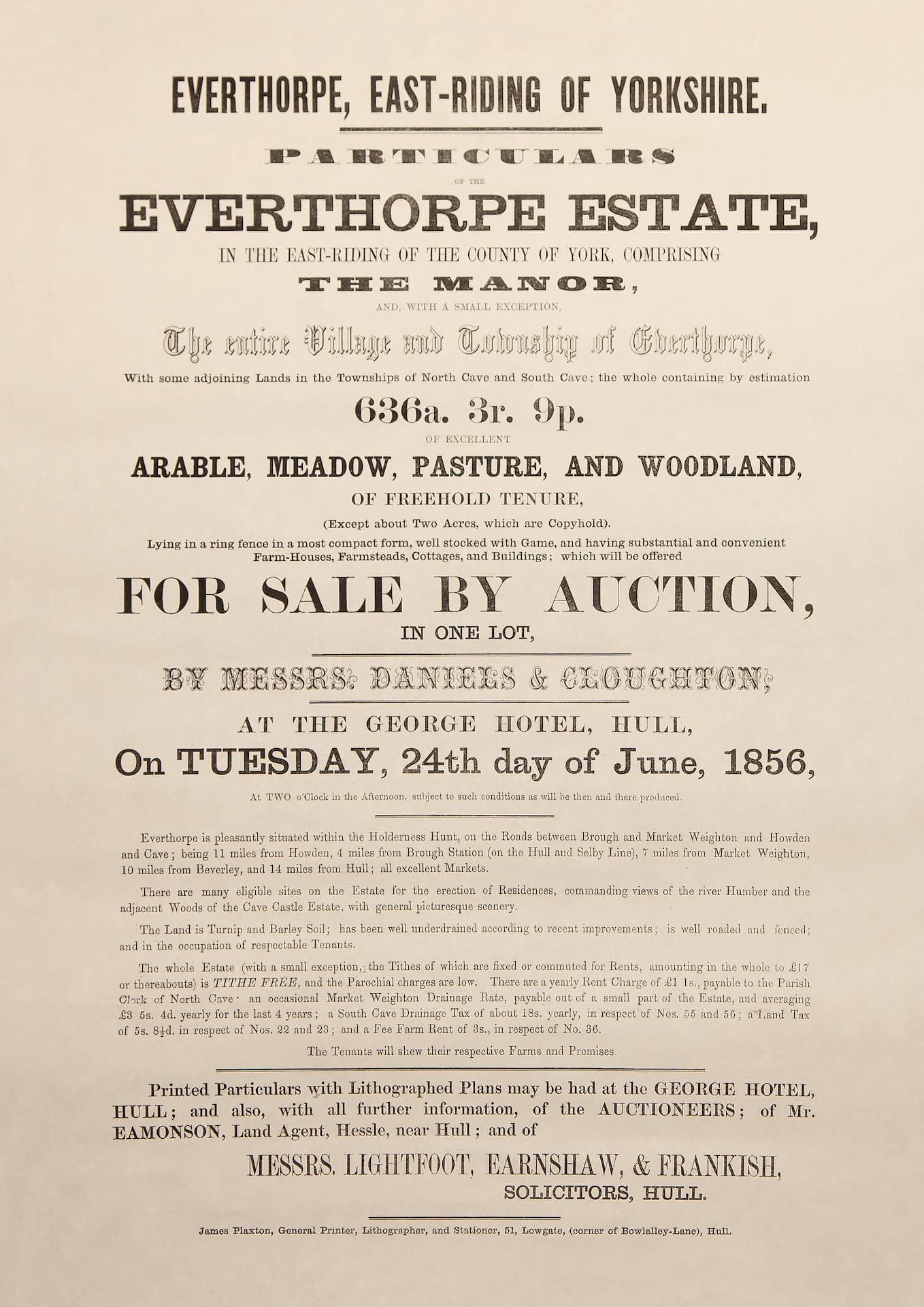
He purchased the Everthorpe Estate and 500 acres at auction in the Neptune Inn, Hull, for £14,750. Joseph was a Hull shipowner and one of his whalers was called “Everthorpe”. The estate passed to his son, John Smythe Egginton, in 1828 and to his son, John Gostling Egginton, in 1848. In 1857, the estate was sold again to Joseph Gee. It included two farms, a public house (the Duke of York, now known as 4 High Road), a windmill, several cottages, and 636 acres of land (recorded at the time as 636 acres, 3 roods, and 9 perches). In 1860 the estate, plus some land purchased from Edward John Stacey Clitherow (of Hotham Hall), was inherited by his nephew Thomas Stephen Whitaker.
Population 102 and 17 dwellings (1861 census)
1870
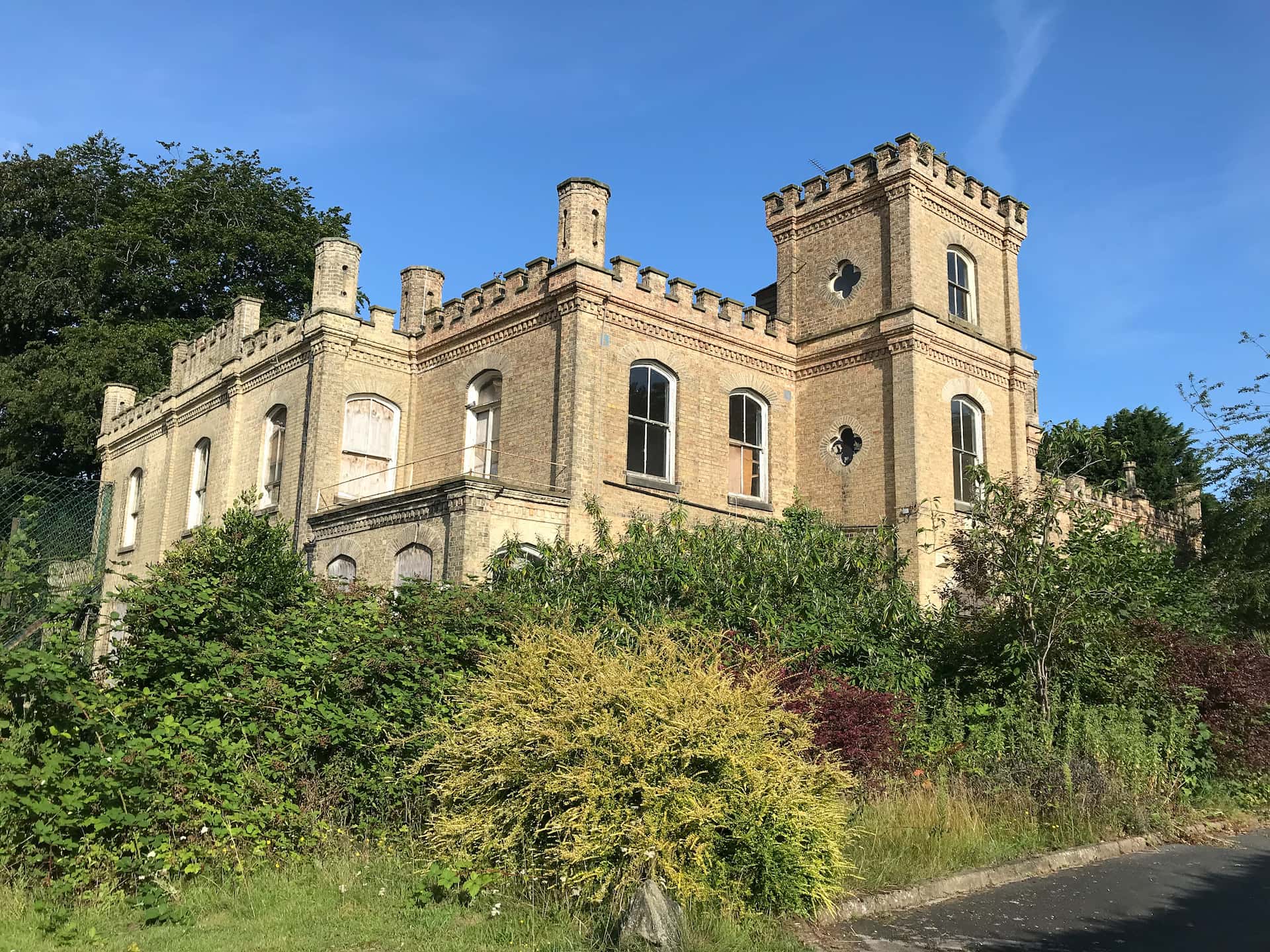
Everthorpe Hall built
Thomas Whitaker (Hull solicitor, a wealthy landowner and philanthropist) built the new hall, which is now behind HMP Humber. At this time the village had grown from just a cluster of farms to a self-supporting community, having a public house (the Duke of York), a grocer, joiners, blacksmiths, wheelwrights, a post office, and a windmill for grinding corn. The Hull and Barnsley Railway was built 1881-1885, carrying New Zealand and Australian wool to South Yorkshire and bringing coal back to Alexander Docks, as well as passengers; it closed in 1963. There were railway stations at North and South Cave and the population was recorded at 137 and 24 houses (1881 census). When Thomas died in 1912 the estate was divided and sold.
Population 91 and 18 dwellings (1901 census)
1913
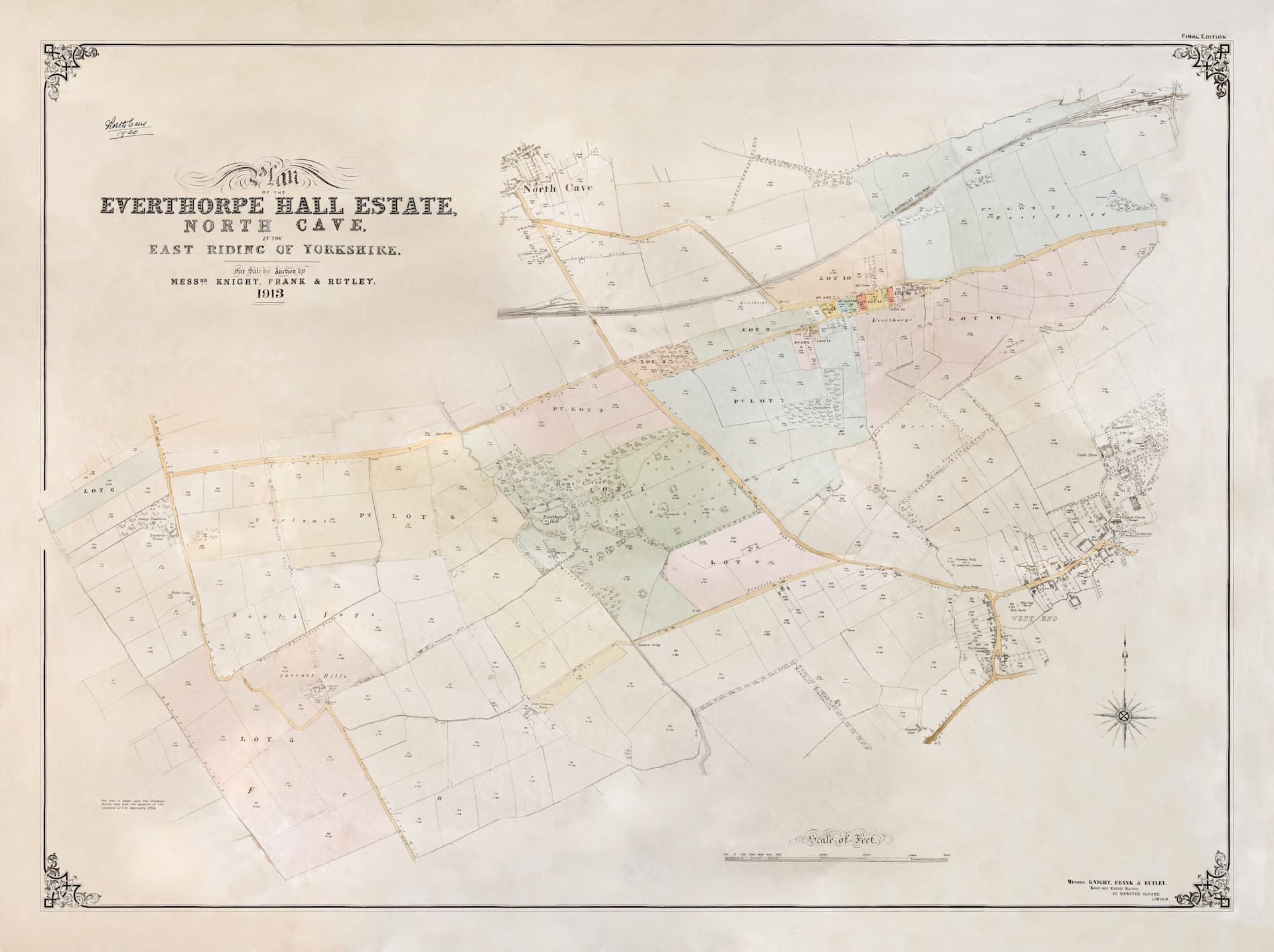
Final sale of the estate
The estate was bought by the East Riding County Council for £24,100. The land was divided into eleven 50-acre farms and two new farmhouses were built. The Hall was sold on to Benjamin Shaw Seed of Hessle, a fruit broker, in 1914, and it was this gentleman who relocated the two stone lions from Marlborough House, Anlaby Road, to the front of the Hall. In 1928 the Hall was inherited by John Humphrey Allison Seed. The Hall was sold once more in 1947 to Gilbert Baitson, a well-known Hull auctioneer; however, in 1949 it was purchased by the Home Office and in 1958 Everthorpe Borstal opened, along with 55 houses on Beck Road for the Governor and prison officers. The Hall remained a staff social club for many years. It was at this time the lions were relocated to the entrance of the borstal.
Population 106 and 22 dwellings (1911 census)
2003–Present
Everthorpe Forum
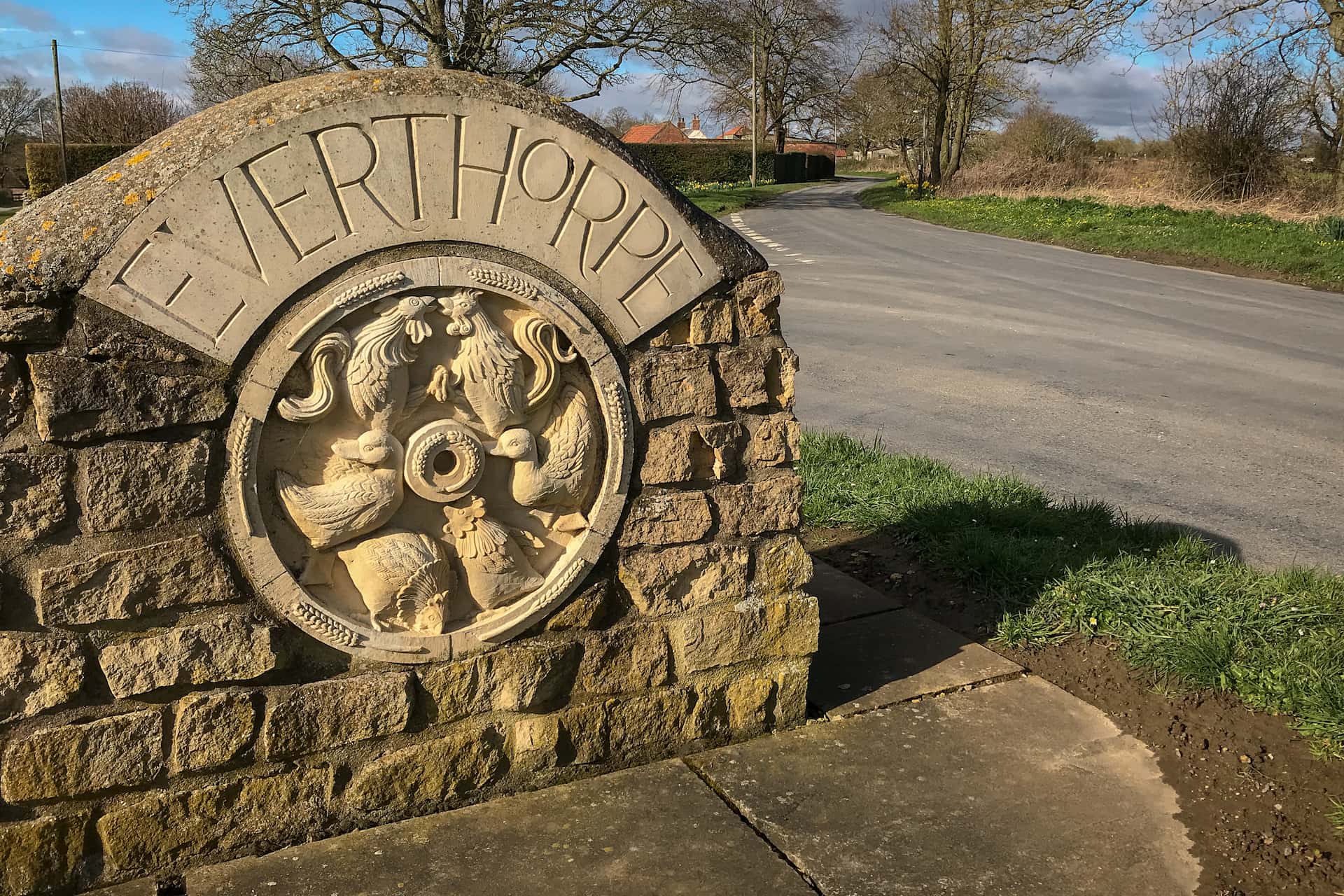
The Forum was set up to conserve and, where appropriate, enhance the distinctive character of the village and engender community spirit. To these ends we have installed the three stone village signs on each of the roads into the village (2004), installed an oval bench around the tree on the green (2017), campaigned for and installed a defibrillator at East End Farm (2022), and restored an ancient orchard now known as Everthorpe Community Orchard (2024/5). These last two projects were aided by North Cave Parish Council.
Population 62 and 29 dwellings. (2021 census)